
Rooted in pastoralist communities. Coordinated from Arusha & Mbeya, Tanzania.
TUPO Foundation is a Tanzanian civil society organisation with a legal identity as the host of the Rural Women's Assembly (RWA) — Tanzania Chapter. Our national coordination office operates out of Arusha and Mbeya.
We were founded on the conviction that rural and pastoralist women hold the knowledge, the resilience, and the leadership capacity to transform their own communities — and that the role of an organisation like ours is to create structures that amplify that power.
Our work spans five integrated program areas: agroecology and food sovereignty, menstrual health and dignity, inclusive vocational skills, global solidarity, and youth development. Each program is grounded in Maasai cultural identity and driven by the women and youth it serves.
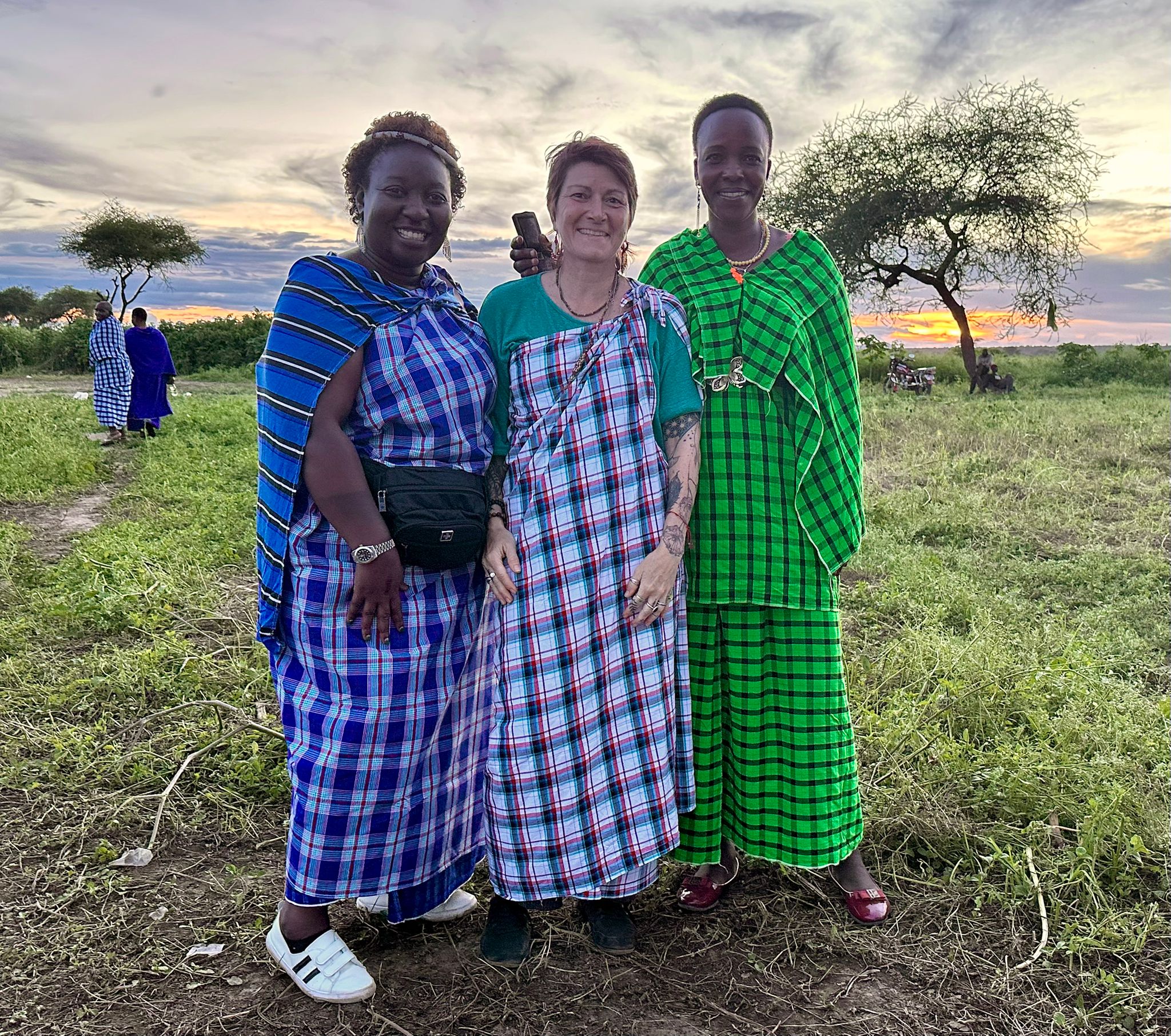
We build on indigenous pastoralist knowledge systems rather than replacing them.
Every program is designed to include girls and youth with special needs without exception.
We build bridges between rural Tanzanian communities and international partners for mutual learning.
Women lead at every level — from field implementation to organisational governance and policy advocacy.
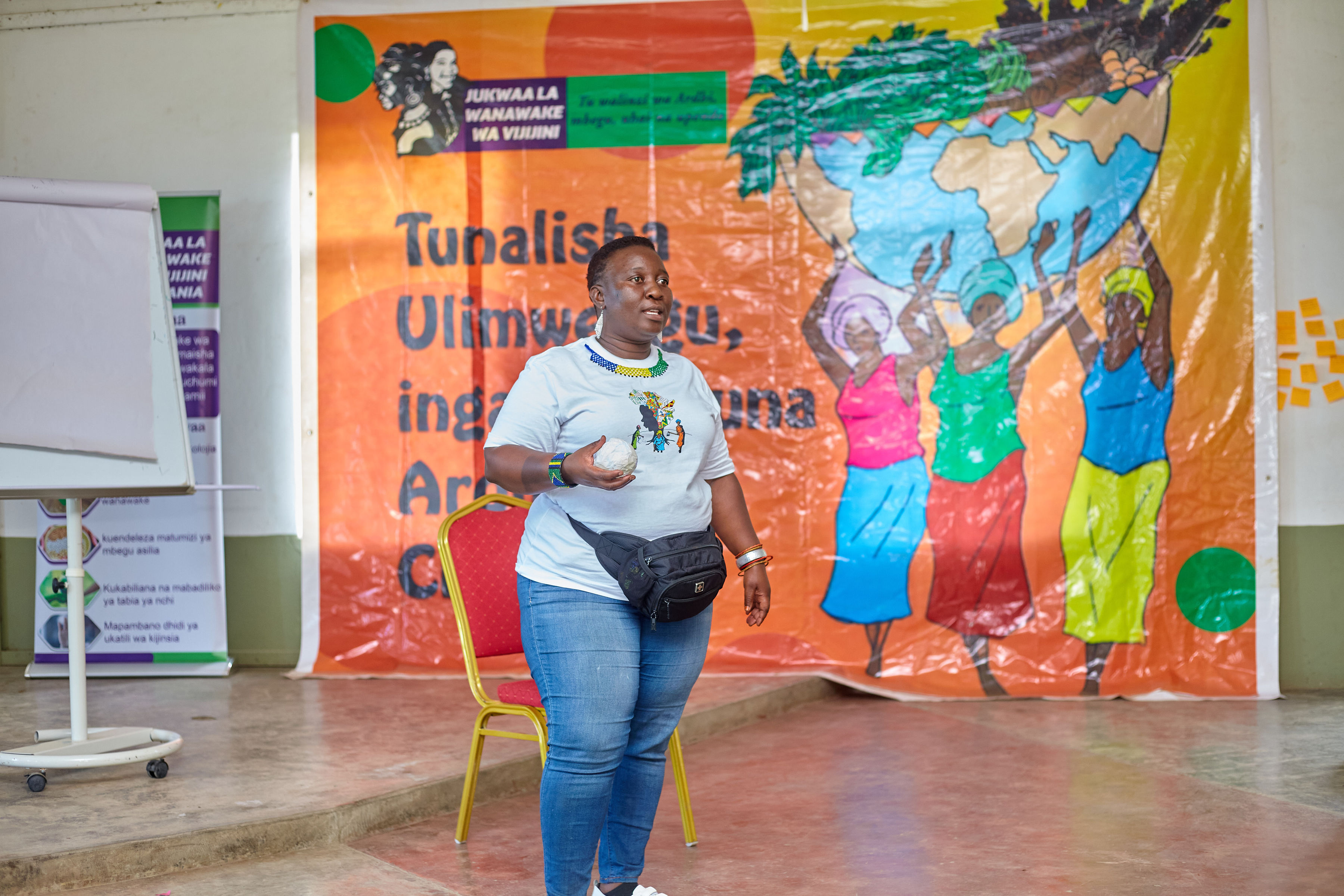
TUPO Foundation's programmes are coordinated from two regional hubs:
Our Kikatiti Centre — currently in development — will serve as the permanent home for the Agroecology Learning Hub, volunteer accommodation, and community resource facilities.
See Infrastructure Plans